


Blog
Custom Wholesale Accessories: Why Do You Keep Getting Burned by Factories?

Ever had any of these problems?
You get a sample from a factory. Looks great. You approve it. Then the bulk order arrives—wrong color, wrong size, wrong material. You call the factory. They say “it’s pretty much the same.”
Or maybe the lead time comes and goes. You chase them. They say “two more days.” Two days turn into two weeks. Your client is breathing down your neck, and you’re stuck in the middle.
Or maybe you finally get your shipment, send it overseas, and customs holds it. No compliance reports. You ask the factory. They say “we’ve always done it this way, never had a problem.”
Sound familiar?
I’ve been in the custom wholesale accessories business for years. I’m not going to give you a bunch of textbook theory. I’m going to tell you straight—how to find a factory that won’t screw you over, how to manage production, and how to save yourself some headaches.
First thing: Figure out what you actually need
A lot of people reach out and say “do you do custom wholesale accessories?” I say yes, what do you need? They say “just accessories.”
That doesn’t work.
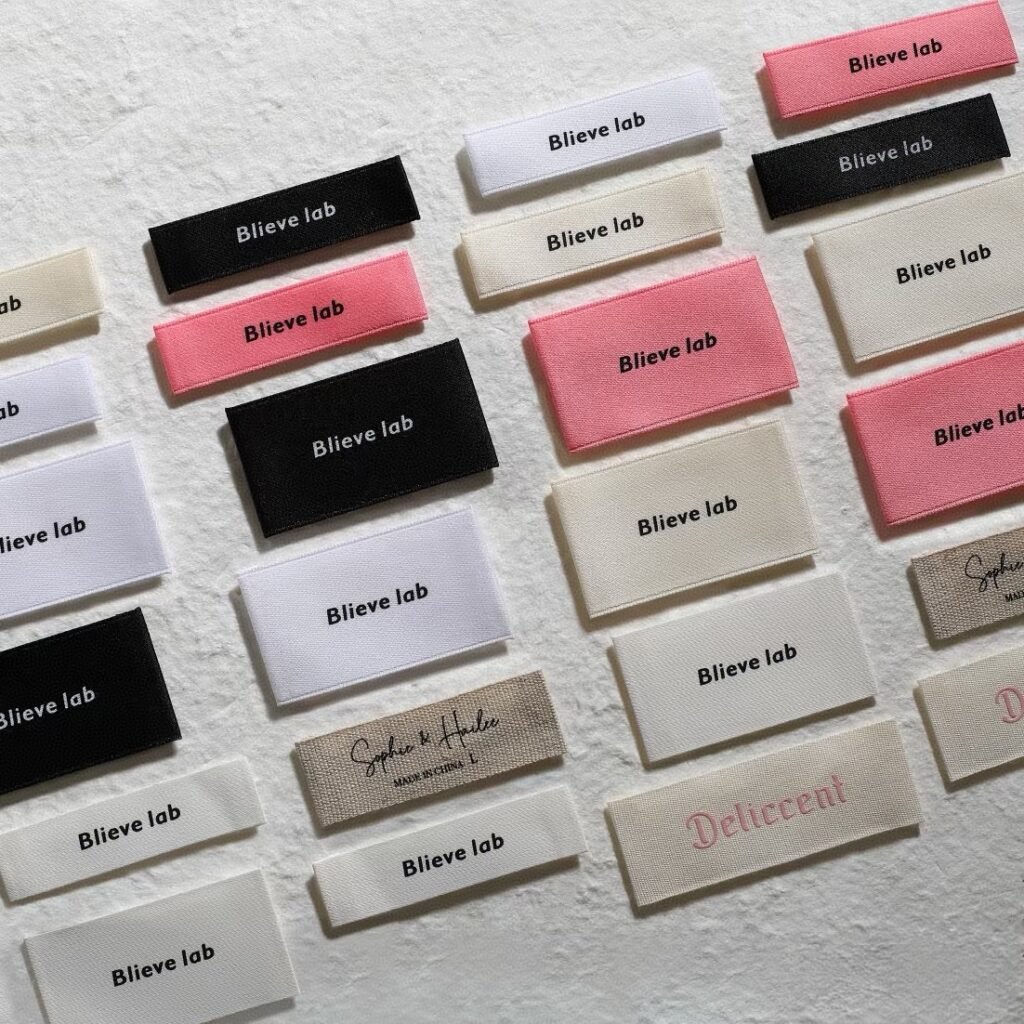
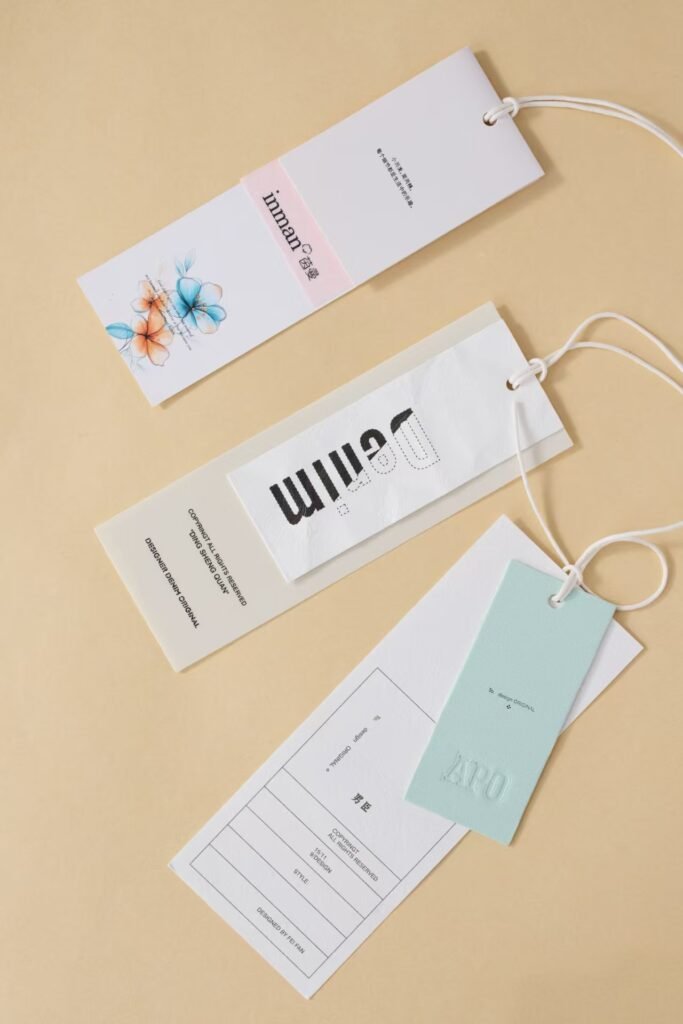
You need to know what you’re looking for. Is it hang tags, care labels, woven labels for clothing? Zippers, metal hardware, leather patches for bags? Ribbons, stickers, inner trays for gift boxes?
These are all custom wholesale accessories, but the factories that make them are completely different. A label factory doesn’t necessarily do metal parts. A woven label specialist might not do screen printing. If you go to the wrong place, you’re wasting time.
Quantity matters too. Are you ordering a few hundred pieces to test, or do you have steady monthly orders of 10,000 units? This determines which factories will even talk to you. Many direct factories have high MOQs. Some are flexible. You need to know where you stand.
And be real about your budget. With custom wholesale accessories, you get what you pay for. A woven label from a Japanese loom looks noticeably different from one made on cheaper equipment. If you’re selling mid-to-high range products, don’t cheap out on accessories. It will show.
How to tell if a factory is reliable
Once you have these answers, your conversations with factories will go much smoother. They’ll take you seriously
There are all kinds of suppliers out there. Direct factories, traders, and people working out of their garage. How do you pick?
First, ask to see the factory. A quick video call works. See if the machines are running, how many workers are there, how organized the workshop looks. If they can’t show you a real factory, they’re probably a middleman. Nothing wrong with traders, but if you care about consistency and price, going direct is usually better. For custom wholesale accessories, reliability is everything.
Second, see if they give you advice. A good factory won’t just say “yes” to everything. They’ll look at your design and say “this technique is expensive, let me show you an alternative that gives the same look for 20% less.” That’s experience talking. If a supplier agrees to everything without question, they might not be thinking through the details—and you’ll pay for that later.
Third, ask for past work. Ideally, find cases similar to your industry. If you’re making bags, have they done custom wholesale accessories for other bag brands? How did those turn out? A factory with solid references is a safer bet than one with nothing to show.
And finally, always request samples.
No matter how good the conversation goes, you need to hold the product in your hands. Samples let you check color, size, print quality, and material feel. If the samples look good, you can move forward. If they don’t, walk away.
I’ve seen too many people skip samples and go straight to bulk order. Then they’re stuck with a container full of junk. Don’t be that person.
What to watch for during mass production
Getting a good sample is step one. But mass production comes with its own risks. Here are the things that tend to go wrong.
Color.
This is the most common issue. A ribbon or label that’s even slightly off can ruin an entire garment. Professional custom wholesale accessories factories use Pantone codes to match colors. Give them the code, and ask them to keep a reference sample during production so you can check against it.
Don’t let anyone tell you “close enough is fine.” Close enough isn’t fine when your client is holding it.
Craftsmanship.
The sample might be perfect, but when they run 10,000 units, things can slip. Print clarity might drop. Embroidery density might vary. Metal plating might have imperfections. If you can, ask for in-process photos or do a mid-production inspection.
A little effort here saves a lot of trouble later.
Compliance.
If you’re exporting to Europe or the US, your accessories need to meet standards like REACH or RoHS. A reputable custom wholesale accessories supplier will have test reports available.
If they don’t, or if they’re vague about it, that’s a red flag. Customs doesn’t care about your excuses. They’ll just hold your shipment.
Lead time.
In B2B, timing is everything. If your accessories are late, your client’s production stops.
Make sure the lead time is clearly stated in your contract, and build in a buffer. A good factory will give you a production schedule so you know exactly where your order stands.
If a factory tells you “no problem” without asking any questions, be careful.
Good accessories build your brand—not just your product
A lot of people treat accessories as an afterthought. That’s a mistake.
If you’re in B2B, your clients are business owners too. The way they see you often comes down to small details.
Let me give you an example.
Say you’re a fabric supplier. You put a custom sticker on every roll—your logo, the fabric specs, color code, everything. The garment factory workers see your name every time they pull a roll. Next time they need fabric, who do you think they’ll call?
That’s the power of well-executed custom wholesale accessories.
Another example.
You’re shipping finished products. You use custom hang tags, branded packaging, even tissue paper with your logo. Your client opens the box and immediately thinks “this supplier pays attention to detail.”
That builds trust way faster than any sales pitch.
So don’t treat accessories as just another item on your purchase order. They’re part of your brand experience.
Find a custom wholesale accessories partner who gets that, and you’ll have an advantage over competitors who don’t.
Making your B2B website work for your accessory business
If you have an independent site, you need to use it to attract serious buyers. A simple product gallery won’t cut it.
Here’s what actually works.
First, show that you know your stuff. Write about topics your potential clients care about. What’s the difference between woven and printed labels? How do you avoid color mismatch? How do you handle small MOQs? Content like this builds trust. When someone searches for custom wholesale accessories, they’ll find your site and see you as someone who knows what they’re talking about.
Second, show your factory. Post photos of your workshop, your machines, your quality control process. B2B buyers want to know they’re dealing with a real manufacturer, not a middleman. Prove it visually.
Third, address their concerns directly. Your audience cares about quality, price, lead time, and communication. Write articles that tackle these topics. “5 Common Problems When Sourcing Accessories and How to Avoid Them.” “How to Communicate with Factories for Better Results.”
These are the kinds of titles that get clicks and build credibility.
Fourth, use your focus keyphrase naturally. In this article, I’ve used custom wholesale accessories throughout, but it fits the flow. Don’t force it. Write for humans first, and search engines will follow.
Let me be straight with you
If you’re in B2B—whether apparel, bags, packaging, or anything in between—accessories are part of your business whether you like it or not.
A reliable custom wholesale accessories factory can make your life a lot easier. But you also need to know how to communicate, what to check, and where the risks are.
What I’ve shared here comes from years of making mistakes and watching others make them too. It’s not fancy theory. It’s just what works.
Hope it helps.
If you’re currently sourcing accessories or planning to, take your time finding the right partner. The details matter more than most people think.
And if you’ve got questions, happy to talk. In this business, it never hurts to know more people.